Identity & collateral
An identity is a logo, colours, typefaces and usage rules that hold together. And it is everything that carries them afterwards: a card, a poster, a label, a shopfront, an Instagram feed. I create both, in the same hand.
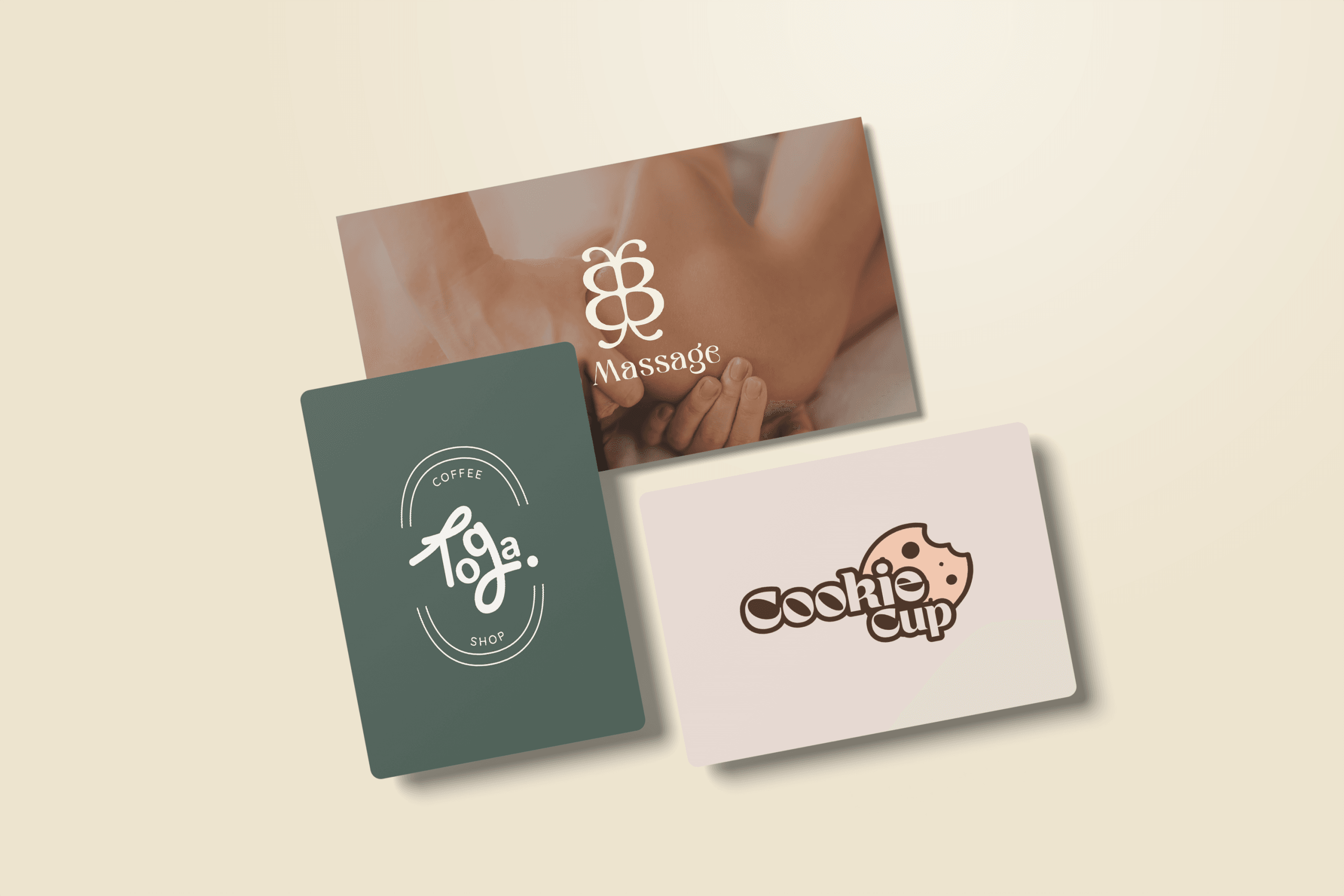
What graphic design covers
-
Visual identity
Logo and its variants, palette, typefaces, usage rules. The foundation: everything else follows from it.
-
Print & editorial
Cards, flyers, posters, brochures, menus, stationery. Files ready for the printer, bleed included.
-
Screen & social
Post templates, banners, profile images, email signatures. Enough to publish without starting from scratch every time.
-
Object & place
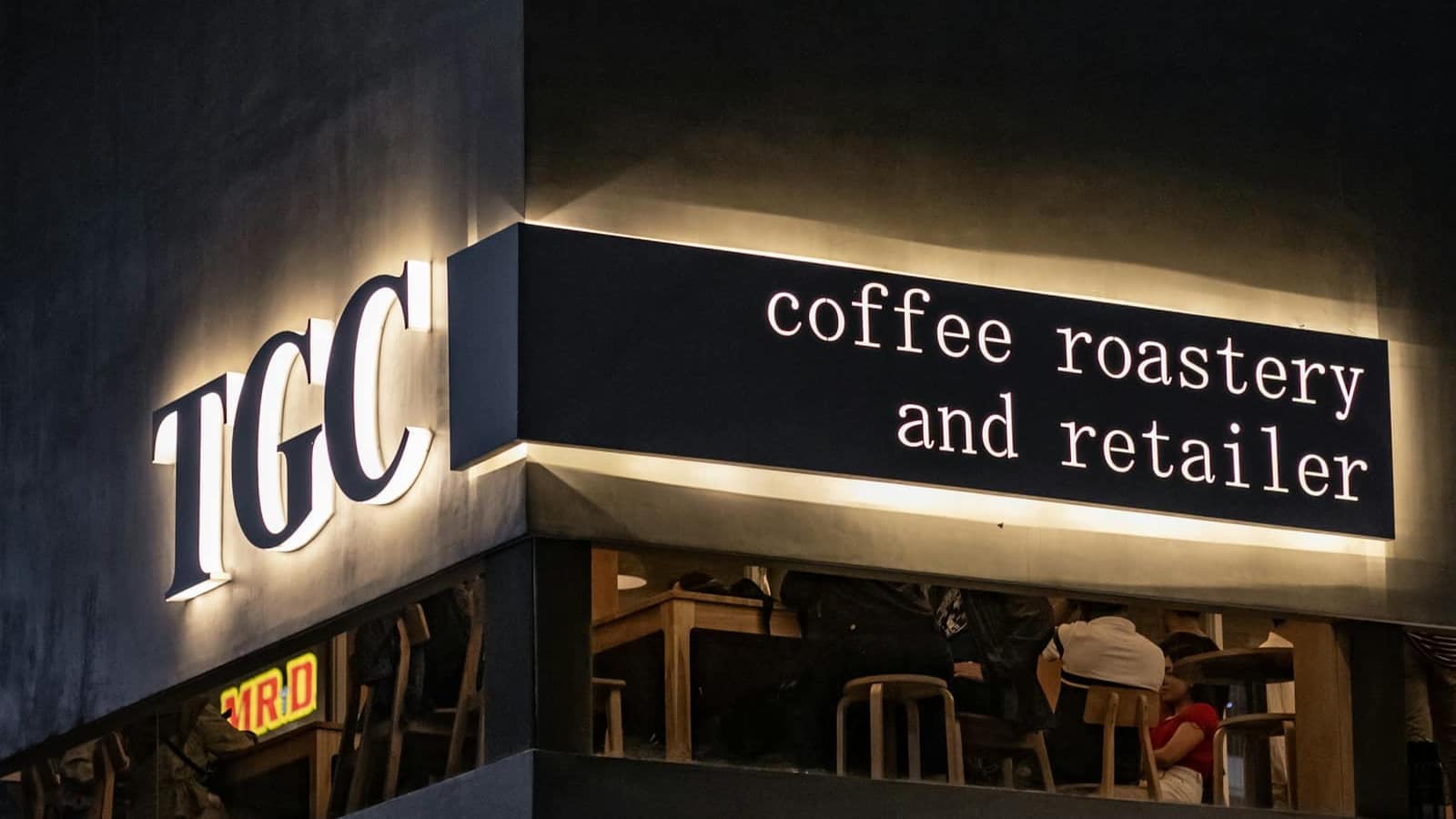
Packaging, labels, signage, window graphics, vehicles, textile. Where the brand leaves the screen.
A logo is the face on your business identity card. A drawing on its own does not last: it needs a system around it. That system is what you get.
-
3 logo directions explored, 1 refined with you
Three distinct directions, shown on a real support, so you choose on evidence.
-
Variants: colour, monochrome, favicon, square format
The same logo readable in a browser tab and on a shopfront, on light and dark backgrounds alike.
-
Colour palette and typeface choices
The distinguishing marks of your brand. Settled once, reused everywhere after that.
-
PDF usage guide: what to do, what not to do
The document you hand to a printer or a supplier so nothing gets distorted.
-
Figma and Illustrator source files, yours to keep
You scale without loss, you are free to register the logo as a trademark, and you can work with someone else without asking my permission.
-
The collateral you need, quoted separately
Card, flyer, poster, packaging, post templates: we list what genuinely serves you at the brief, and each item gets its own line on the quote.
Elsewhere · A logo out of an online generator
You get an image in seconds, often close to the ones other people got the same day asking for the same thing. Low resolution, no vector version, no variants, and nothing that lets you register it as a trademark. The day it has to be embroidered on a polo shirt or fixed to a shopfront, the work starts again.
We settle the meaning before creating the shape. Every stage is signed off before the next one starts.
-
Brief and moodboard
We frame your positioning, your audience and what the brand should convey. I come back with a moodboard so we agree on the direction before I create.
-
Research and 3 directions
I work three distinct directions. You see each applied to a real support.
-
Iteration
We refine the chosen direction together. Every stage includes two rounds of changes; beyond that we talk about it.
-
Variants
The logo is declined into every format you will need, including the ones nobody thinks of at the start.
-
Delivery
You get the source files and the usage guide. We take 30 minutes so you know how to use them.
Elsewhere · A logo bought from a template library
The file is clean and it costs little. It has already been sold to others, in other trades, sometimes in your own town. Your recognition then rests on a drawing you share without knowing it.
An identity is an investment, like your premises or your equipment. Once the decisions are made, everything you produce afterwards costs less.
-
How long does it take?
Two weeks on average, from the moment the brief is signed off. It mostly depends on how quickly you can give feedback.
-
Can I use the logo anywhere?
Yes. You get the source files and the rights transfer, with no limit on support or duration.
-
What if I like none of the directions?
It rarely happens because we agree on the direction at the moodboard stage. If it does, I rework a new set of directions. The discarded ones stay with me, they never go to another client.
-
How much of my own time does it take?
Two or three meetings, plus your feedback between stages. Your response time weighs as much as mine on the schedule.
-
Can I ask you for just a poster, with no identity?
Yes. A single item works perfectly well, starting from what you already have. I will simply tell you if your current guidelines make the result awkward, and we will see then whether it is worth reworking them first.
-
What about packaging or signage?
Same craft, with manufacturing constraints on top: materials, die-cuts, legibility at three metres, whatever your printer or fitter requires. I work from your supplier template when you have one, otherwise I ask for theirs before creating.
-
Will a logo bring me customers?
An identity makes visible what you already do well. It does not stand in for a clear offer. What it changes is that people recognise you and remember you, which counts on the day someone compares three quotes.
-
Will you show my logo on your site?
Yes, once your project is public, unless you tell me otherwise. I reserve the right to present the work on my portfolio, my social channels and my presentation decks, and to reproduce your logo there as a reference. A confidentiality period can be agreed in writing.
Let's talk about your identity
Describe your project in a few lines. I come back to you with a quote, or a question if something is missing.