Bespoke website
A site built page by page. No bought theme bent until it roughly resembles what you had in mind. The result is faster, lighter, and you know exactly what is inside. With a back-office if you want to publish yourself.
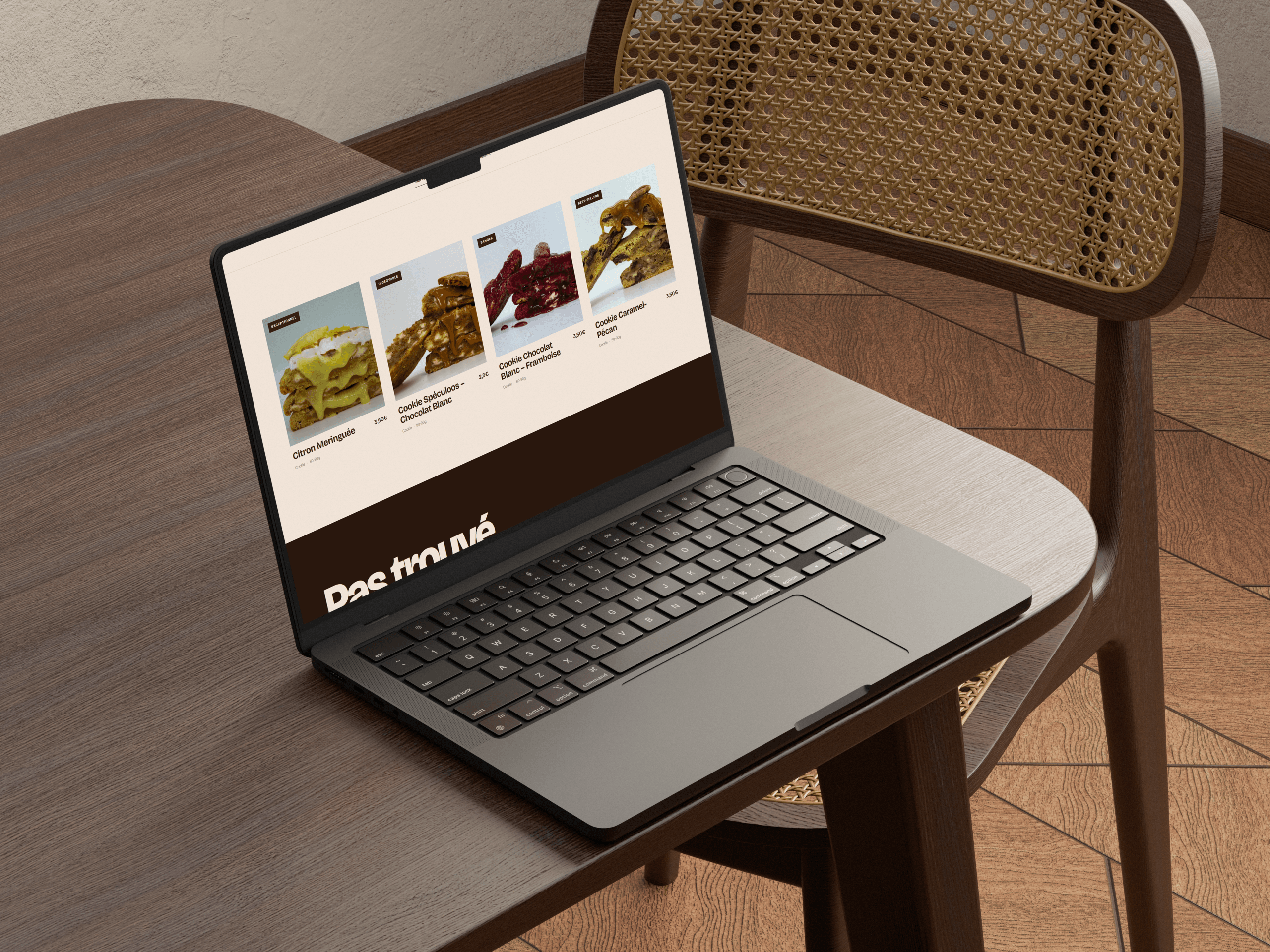
What web covers
-
Showcase site
A handful of pages written for your content. The foundation: that is where most projects start.
-
Back-office
Optional, a space where you publish yourself. The result does not change, what changes is who holds the content.
-
Rebuild
Taking over an existing site: we keep what works, the address and the search ranking you earned, and rebuild the rest.
-
Launch & after
Hosting, domain and certificate on accounts in your name, plus documentation so you find your way later.
Most business websites are assembled with a page builder, Divi or Elementor: ready-made blocks stacked without writing code. Here the page is written for your content.
-
Figma mockups for desktop and mobile, signed off before any code
Your pages for real, at the right size, before anything gets built.
-
Bespoke HTML / CSS / JS build
The site loads fast, on a phone as much as on a desktop, and it looks like no other.
-
Baseline SEO: titles, metas, structured data
What Google reads to understand what you do, and what search assistants pick up when someone asks them a question.
-
Going live: hosting, domain and certificate set up in your name
The accounts are yours. You pay the subscriptions, you keep the credentials, you are tied to nobody.
-
Simple documentation for routine updates
Enough to find your way later, even if someone else takes the site over one day.
-
Optional: a back-office configured for your content, field by field
If you sell training courses, you get a "course" form with the duration, the price, the programme and the photo. You fill it in, you publish, the page builds itself. Your visitor never sees WordPress.
Elsewhere · A site built with a page builder
Out fast, usually heavy: the site carries everything the builder can do, including what your pages never use. Updates sometimes distort the layout, you have to keep paying to retain control, and the look is recognisable from one site to the next.
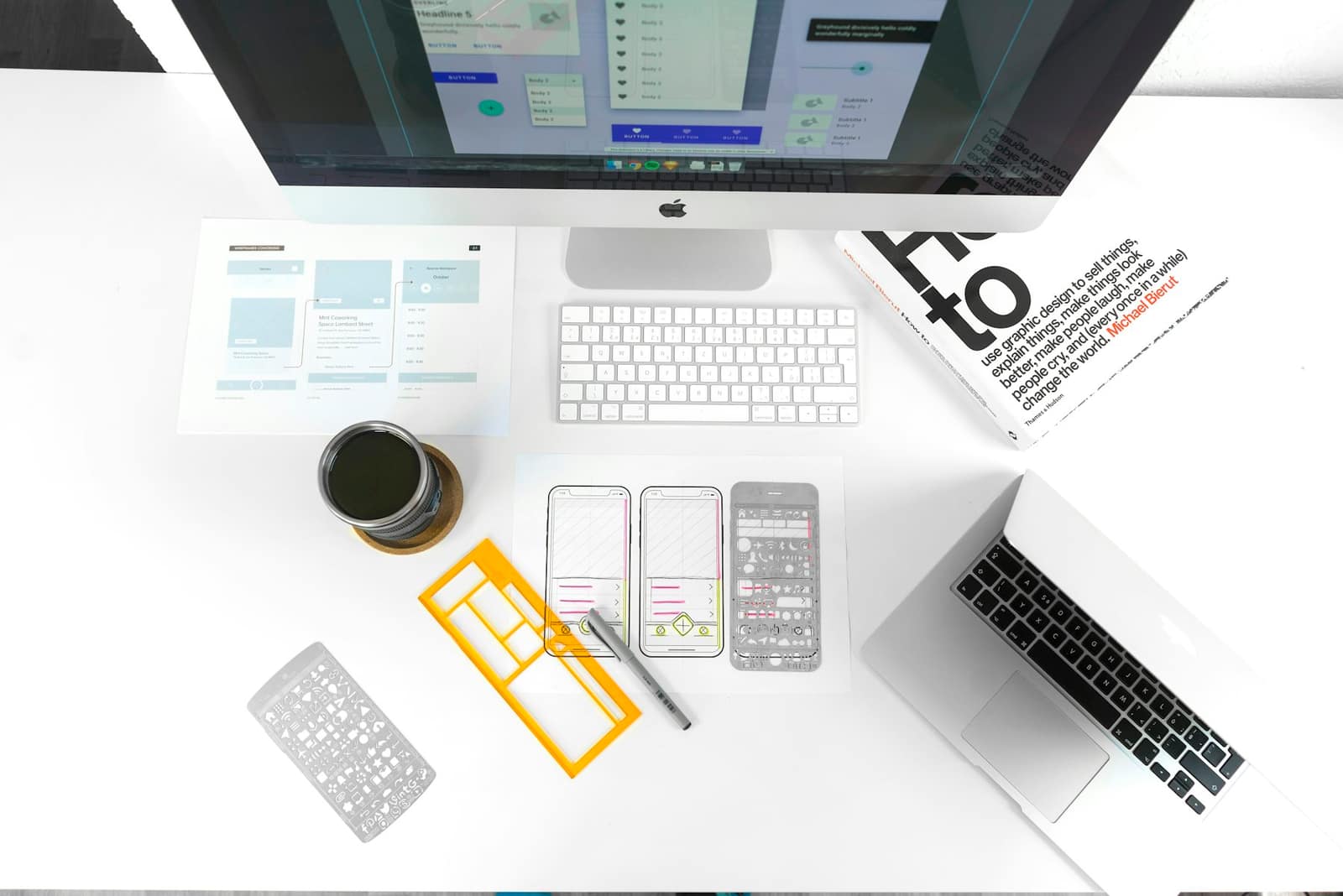
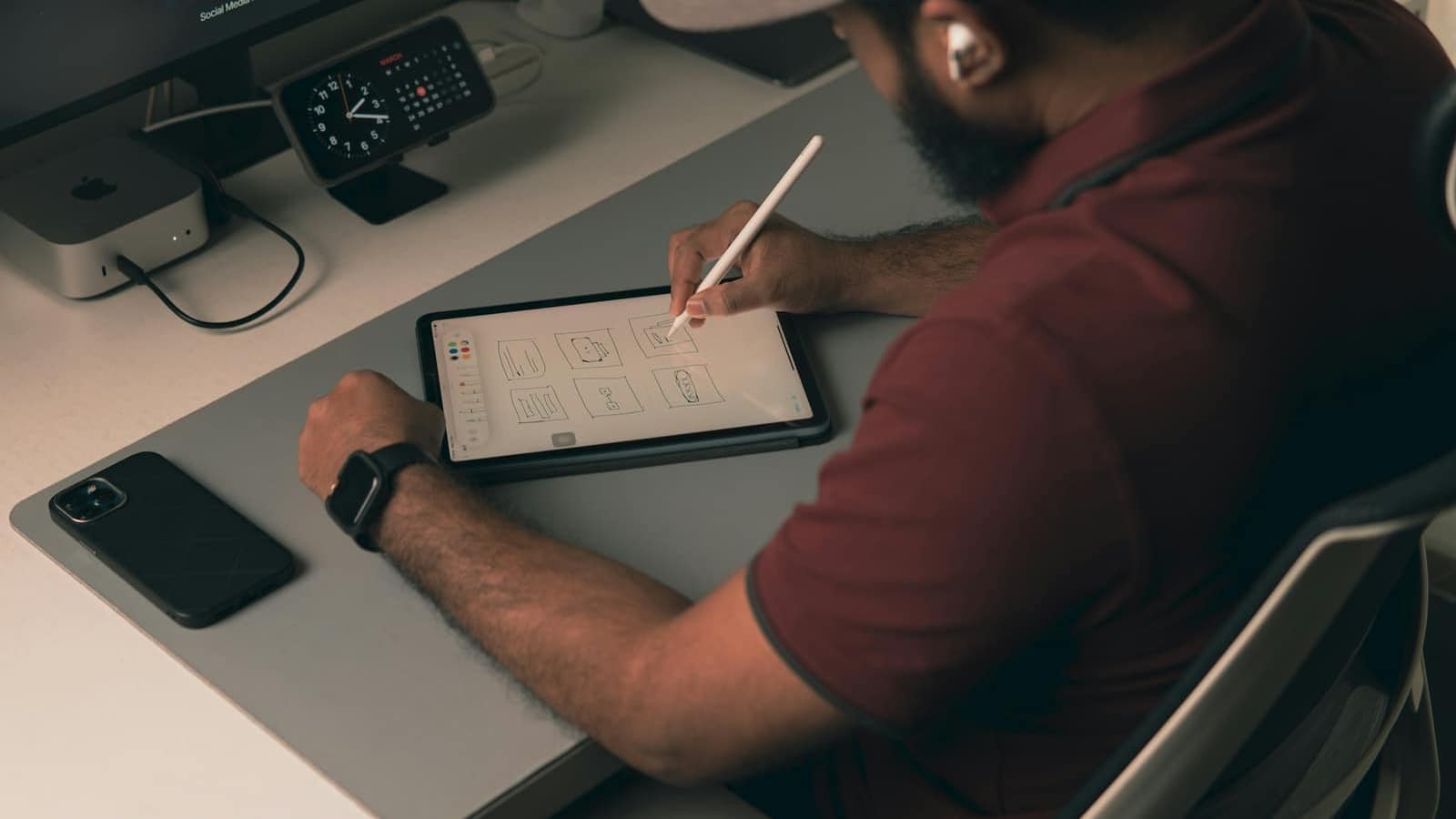
The mockup is signed off before the first line of code.
-
Brief and sitemap
We list the pages, what each one should get from the visitor, and the order they meet them in. That is also where we decide what you will want to edit yourself: that list draws the back-office.
-
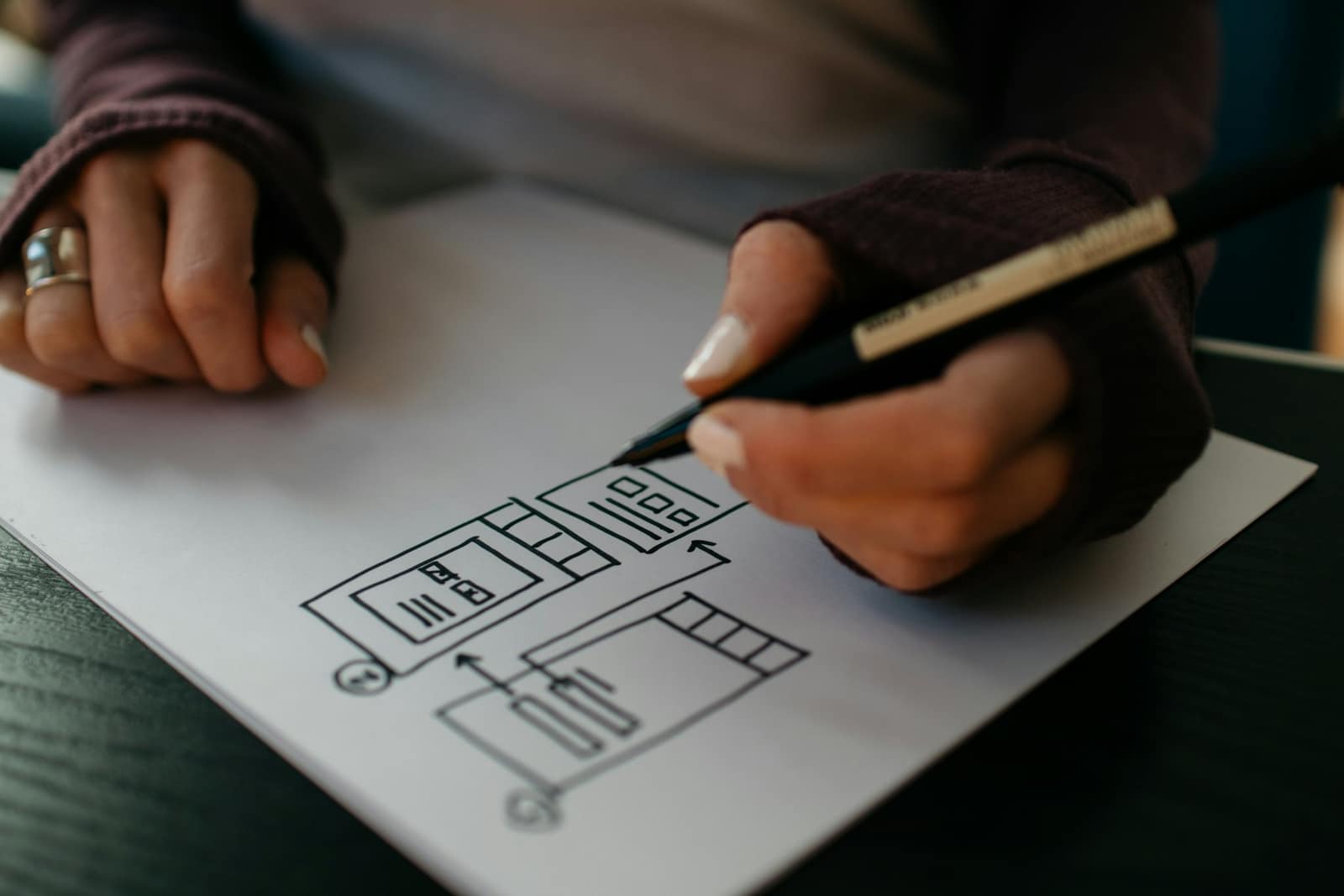
Wireframes and design
I lay out the structure in grey before creating. We sign off the skeleton, then the surface.
-
Build
The code is written for your site, responsive from the start, tested on real browsers.
-
Review
You go through the site, you list what is off, I fix it. As at every stage, two rounds of changes are included.
-
Launch
I set up hosting, domain and certificate on accounts opened in your name. Nothing for you to configure, and the access stays yours.
Elsewhere · A bought theme, then modified
You start from a site already designed for somebody else. Every departure from what it planned calls for a workaround, and the workarounds add up to the price of a bespoke build.
A website is an investment in your visibility: it works while you sleep and answers the questions people have before they call.
-
How long does it take?
Four to six weeks for a showcase site, depending on the number of pages and how fast feedback comes back.
-
Can I edit the content myself?
It depends what we decide at the brief. Without a back-office, edits go through me, and that is the right call if your pages move two or three times a year. With one, you publish whenever you like without breaking the layout. The back-office adds two to three weeks and is quoted separately.
-
How does the back-office work?
Content and display are separated: it is a headless site, literally "without a head". WordPress lets you write, a front end coded for you displays. The fields are created one by one, named in plain language, with input hints, and you publish a first entry with me during the handover.
-
Why WordPress and not something else?
Because it is the tool I know well, and because it is common enough that you can find help somewhere other than with me the day you need it. There is no licence to renew, only hosting, as with any site.
-
Do you write the copy?
No, the words come from you. I can give you a per-page outline to help you write them.
-
Is this not more expensive than a theme?
Up front, yes. A theme is paid for once and repaired for a long time, because every departure from what it planned calls for a workaround. Here you pay once for what is written for you, and there is no licence or paid plugin to renew. Hosting is the only recurring line.
-
Will you show my site on your portfolio?
Yes, once the site is live, unless you tell me otherwise. I reserve the right to present the work on my portfolio, my social channels and my presentation decks, and to reproduce your logo there as a reference. A confidentiality period can be agreed in writing.

Let's talk about your site
Describe your project in a few lines. I come back to you with a quote, or a question if something is missing.